
Bluecheese Project APS ha partecipato alla call della Tate Modern dedicata alle pratiche interpretative inclusive con un progetto che mette radicalmente in discussione il concetto stesso di interpretazione museale.
Il progetto si chiama EMoT – European Museum of Trees, ed è un museo diffuso e vivente che nasce a Roma nel 2024 e si sviluppa come dispositivo curatoriale partecipativo, ecologico e plurale. Non un museo che rappresenta, ma un museo che ascolta. Non un’istituzione che interpreta per il pubblico, ma un campo relazionale in cui l’interpretazione diventa pratica condivisa.
Interpretare come atto collettivo
Il contributo presentato alla Tate parte da una domanda centrale:
cosa significa interpretare un’opera o un contesto quando la voce curatoriale non è più unica e autoritaria, ma distribuita?
EMoT propone di sostituire la mediazione testuale tradizionale con una molteplicità di voci situate. L’interpretazione non è più un testo esplicativo, ma un processo che si costruisce attraverso podcast geolocalizzati, racconti di comunità, memorie urbane, registrazioni ambientali.
Il museo diventa così una ecologia di relazioni.
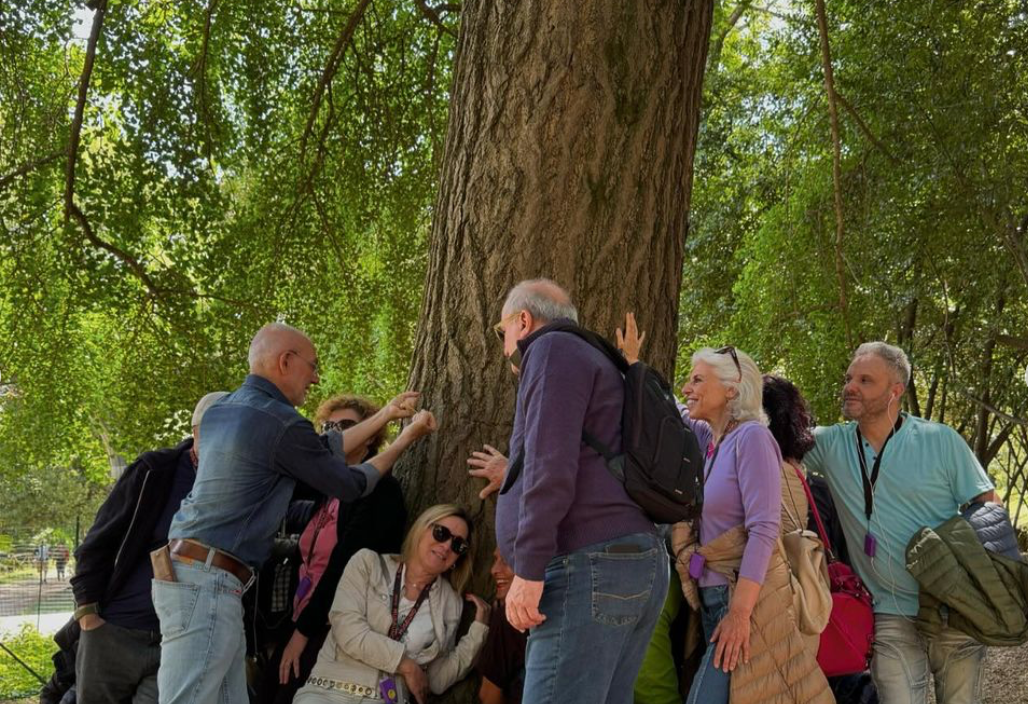
Il Museo degli Alberi: ecologia e memoria
Al centro di EMoT ci sono gli alberi, intesi non solo come organismi biologici ma come interpreti culturali. Ogni albero viene mappato attraverso un sistema multilivello:
- botanico (identità biologica),
- storico (connessione con la memoria locale),
- partecipativo (voci di residenti, artisti, ricercatori).
In questo modo l’interpretazione si sposta dall’oggetto alla relazione.
Non si legge più un’opera: si entra in una costellazione di storie.
EMoT ROOTS: memoria democratica e transizione europea
L’estensione europea del progetto, EMoT ROOTS, collega diversi paesi attraversando le memorie delle transizioni democratiche e intrecciandole con le urgenze contemporanee dell’ecologia e dell’appartenenza.
L’interpretazione, in questo contesto, non è mediazione culturale ma atto di cura collettiva: permette alle comunità di riconoscersi nel paesaggio e nell’opera.
Autorialità condivisa
Uno dei punti centrali della proposta riguarda la shared authorship.
EMoT rifiuta la voce unica dell’esperto e attiva processi dialogici in cui artisti, cittadini e istituzioni diventano co-autori.
Le comunità non sono pubblico, ma soggetti interpretanti.
Le opere non sono oggetti conclusi, ma interlocutori viventi.
Workshop, camminate, sessioni di co-design trasformano l’interpretazione in pratica civica. La narrazione diventa un manoscritto collettivo, continuamente riscritto da chi lo abita.
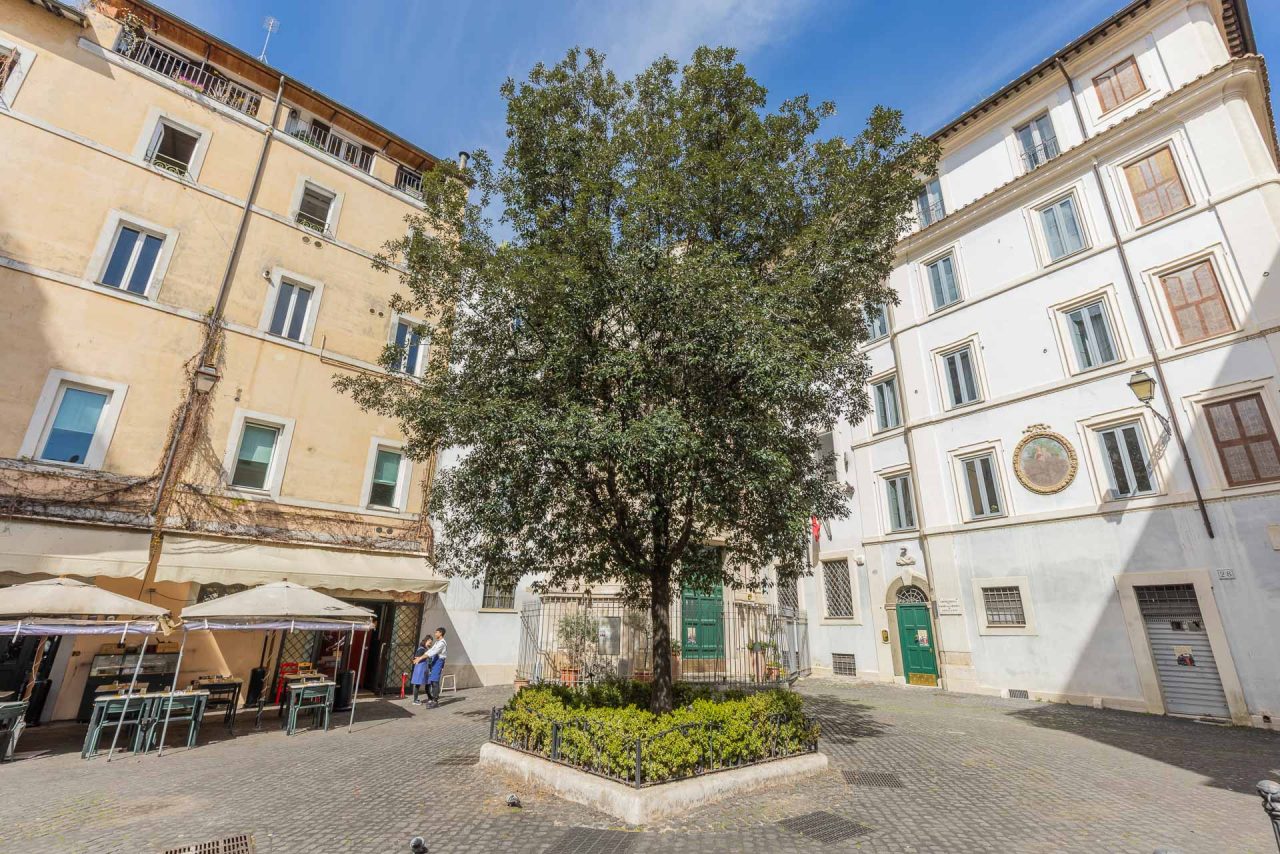
Oltre l’umano: l’ambiente come agente interpretativo
EMoT estende l’idea di comunità oltre l’umano.
Nel Museo degli Alberi, anche il paesaggio – alberi, suolo, erba – diventa agente interpretativo.
Questa prospettiva multispecie ridefinisce l’inclusione non solo come giustizia sociale, ma come reciprocità ecologica. La città, letta attraverso i suoi alberi, si trasforma in un testo polifonico.
L’etica dell’ascolto
Il progetto presentato alla Tate propone una ridefinizione dell’interpretazione come etica dell’ascolto.
Prima di spiegare, il museo ascolta.
Prima di rappresentare, si mette in relazione.
Silenzio, suono, respiro diventano media interpretativi.
In un tempo di produzione culturale accelerata, EMoT sceglie lentezza e invisibilità come gesto politico.
Verso un interpretive commons
La proposta si chiude con l’idea di un interpretive commons: uno spazio distribuito, partecipativo, in cui il senso è vissuto prima ancora che letto.
Partecipare alla call della Tate non è stato solo un passaggio internazionale, ma un momento di riflessione su come le pratiche nate nello spazio pubblico romano possano dialogare con il dibattito museologico globale.
EMoT non è un museo che espone alberi.
È un museo che cresce con loro.
🇬🇧 ENGLISH VERSION
EMoT at Tate: The Living Museum as a Collective Act of Care
Bluecheese Project APS recently submitted EMoT – The European Museum of Trees – to Tate Modern’s call on inclusive interpretive practices. The proposal challenges the very idea of museum interpretation.
Founded in Rome in 2024, EMoT is conceived as a living, distributed museum: a participatory and ecological curatorial model that redefines interpretation as a shared process rather than an institutional voice.
Interpretation as a Collective Act
The project asks a crucial question:
What happens when interpretation is no longer delivered by a single curatorial authority, but distributed among multiple situated voices?
EMoT replaces traditional explanatory texts with geolocated podcasts, community narratives, urban memories, and environmental recordings. Interpretation becomes relational, temporal, and co-created.
The museum turns into an ecology of relations.
Trees as Cultural Interpreters
At the core of EMoT are trees, understood as both biological organisms and cultural interpreters. Each tree is mapped through a multi-layered system:
- botanical identity,
- historical memory,
- participatory storytelling.
This layered approach shifts interpretation from object-based mediation to relational engagement. Visitors do not read a text; they enter a constellation of voices.
EMoT ROOTS: Democratic Memory Across Europe
The European extension, EMoT ROOTS, connects memories of democratic transitions across different countries, intertwining them with contemporary ecological concerns.
Interpretation becomes a collective act of care — a way for communities to recognise themselves within the landscape and within shared histories.
Shared Authorship
EMoT rejects the singular voice of expertise. Its methodology is grounded in shared authorship: artists, citizens, and institutions act as co-authors.
Communities are not audiences but interpretive agents.
Artworks are not fixed objects but living interlocutors.
Through workshops, walks, and co-design sessions, interpretation becomes a civic practice — an open manuscript continuously rewritten by those who inhabit it.
Beyond the Human
EMoT expands the notion of community beyond the human sphere. Trees, soil, and grass are invited to act as interpretive agents.
This multispecies perspective reframes inclusion not only as social justice but as ecological reciprocity. The city, read through its trees, becomes a polyphonic text.
The Ethics of Listening
The proposal presented to Tate redefines interpretation as an ethics of listening.
Before explaining, the museum listens.
Before representing, it enters into relation.
Silence, sound, and breath become interpretive media. In a time of accelerated cultural production, EMoT embraces slowness and invisibility as political gestures.
Towards an Interpretive Commons
EMoT proposes an interpretive commons: a distributed and participatory space where meaning is lived rather than read.
Submitting the project to Tate was not merely an international milestone, but an opportunity to position a Rome-based public practice within a global debate on the future of museum interpretation.
EMoT is not a museum about trees.
It is a museum that grows with them.